Cambodian food is fairly consistent throughout the country, meaning you can get your favorite Cambodian dishes in most places. However each province has something a little special of its own, so if you’re traveling around the country or visiting friends and relatives in other provinces, be sure to find out their special contribution to the food of The Kingdom.
Battambang
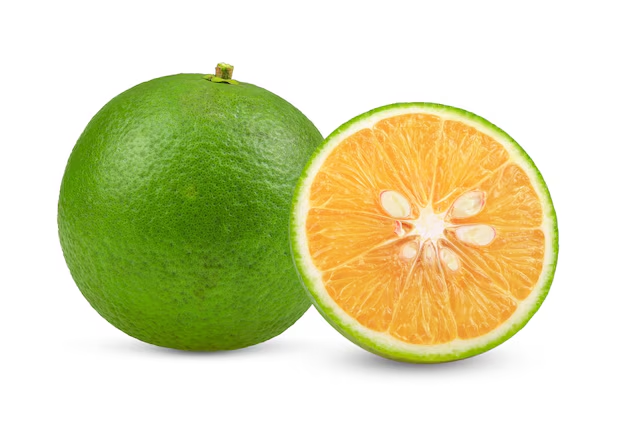
Often referred to as the fruit bowl of Cambodia, Battambang has rice land and good irrigation making it a province that is perfect for high yields of food production. While many fruits are grown in Battambang, Battambang Oranges are a specialty. Originally confined to Baromdistrei, they’re now grown all over Battambang and were introduced during the French occupation. Their unique flavor is highly sought after and they have the EU’s Geographical Identification (GI) Status.
Banteay Meanchey
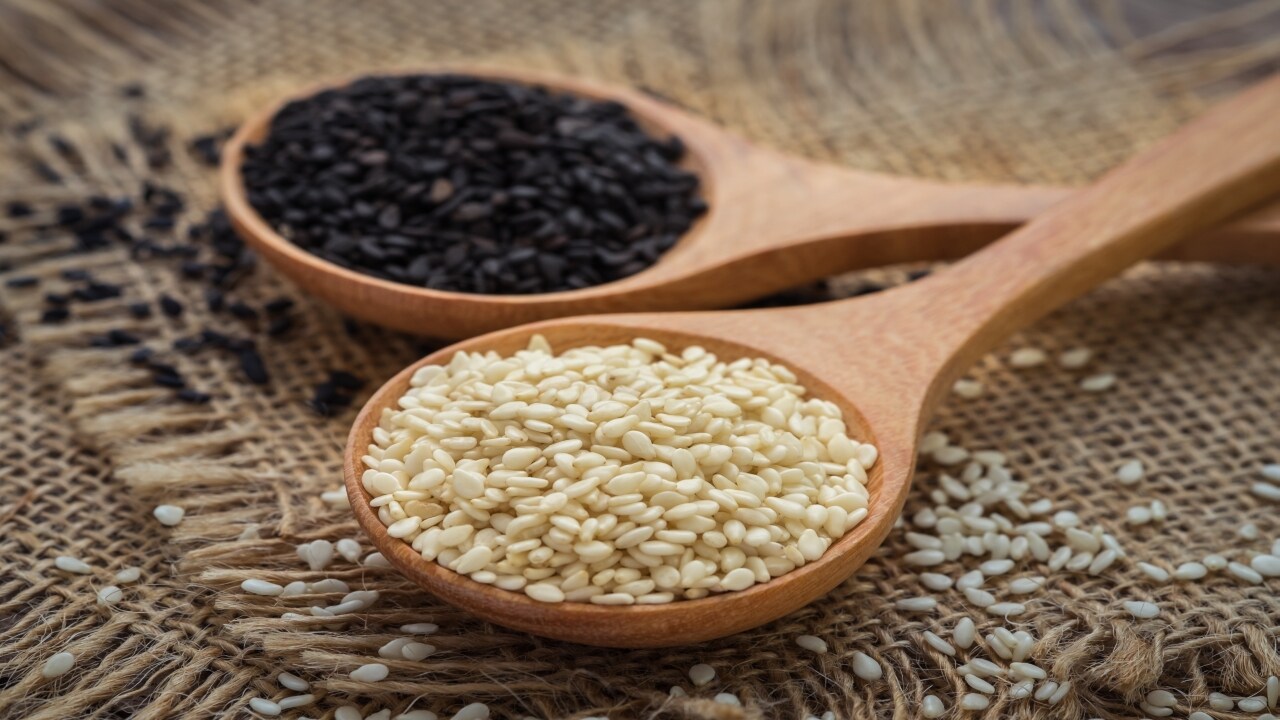
This region produces cassava, soybeans, green beans and sesame. Sesame production in Banteay Meanchey is for both white and black varieties, organically produced with a rich sesame flavor and aroma. Sesame is added to many Cambodia snacks such as fried banana fritters, sesame balls filled with red bean paste and sweet sticky rice with toasted sesame seeds on top.
Oddar Meanchey
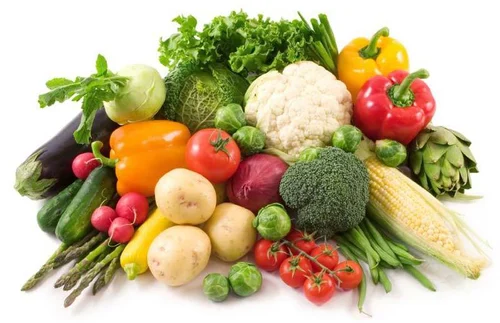
Oddar Meanchey is one of Cambodia’s biggest vegetable growing regions, and is the main source of vegetables from within the country, while many vegetables are still imported, particularly at certain times of the year, to bring more variety to the markets.
Kampong Speu
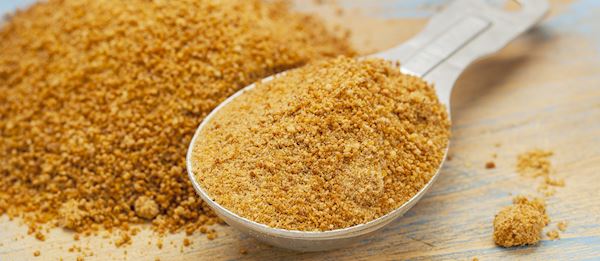
In 2017, Kampong Speu was awarded the Geographical Indicator for Palm Sugar in Thailand and has officially been recorded by the EU. This means that Kampong Speu Palm Sugar is recognized by its quality and provenance so that no other place outside this region can label their product as Kampong Speu Palm Sugar. It is a popular choice of sugar for cooking; the region is also renowned for making palm wine.
Siem Reap
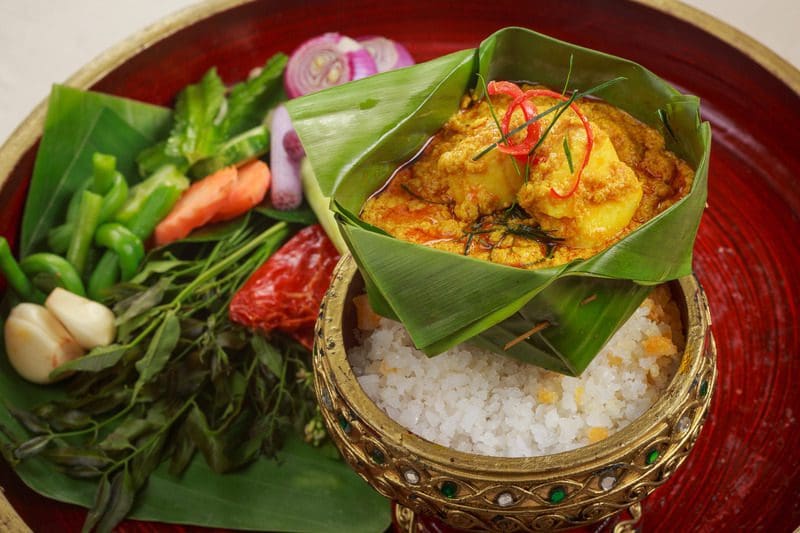
A wealth of food is generated in Siem Reap, possibly because it is such a melting pot of people from different provinces and countries. Amok is a rich tradition among the locals and a favorite with the tourists. This flavorful dish is a kind of curry steamed in banana leaves and coconut milk and galangal root are staple ingredients. The classic recipe is Fish Amok, though it is often offered with chicken, mushrooms or tofu instead.
Koh Kong
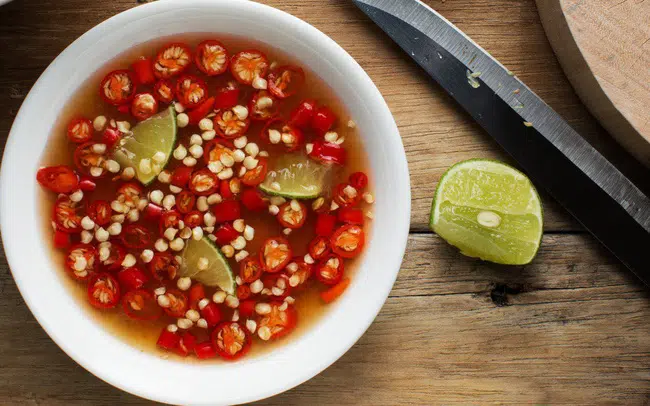
Fish sauce or dak direy is a specialty of Koh Kong. This sauce is extremely popular and often served with grilled fish or barbecued seafood. It’s sweet, salty and spicy and brings out the fish and rice to life. There are variations of this sauce, however the Koh Kong recipe is the all-out winner.
Pailin
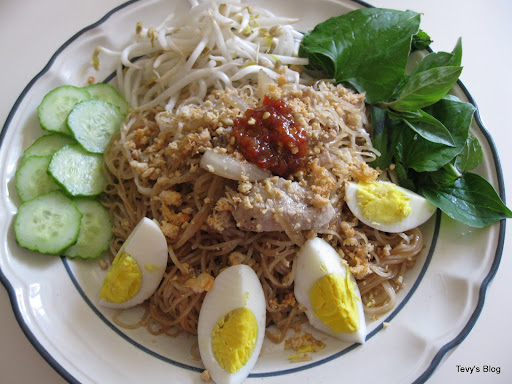
Mee Kola — there isn’t a direct translation of this dish, however it is a fine yellow fried noodle with crushed, dried shrimp, peanuts, boiled egg, meat and bean sprouts. This simple dish has a lot of flavor and is great with some fried spring rolls.
Pursat
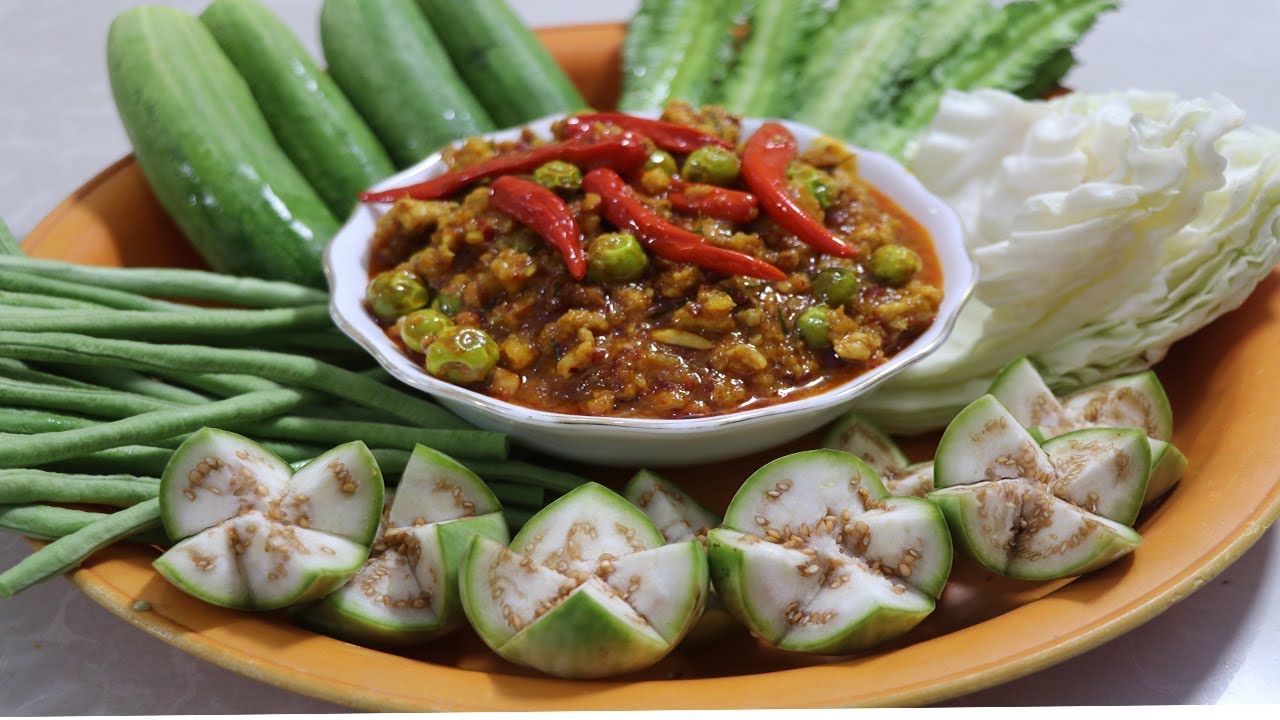
Kampong Heis (a paste made specifically in Pursat province). The paste is a combination of shredded fish, prahok (fermented fish paste), kroeung fruit (a sour fruit used in a lot of Khmer sour soup recipes) and chili.
Preah Vihear
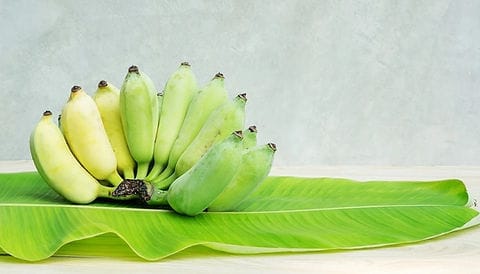
Nam Va bananas or chek namva are grown predominantly in Preah Vihear Province. As in much of Cambodia, they vary in length and color and the taste accordingly. These bananas can be eaten green or ripe; when they are a sweet flavor.
Ratanakiri
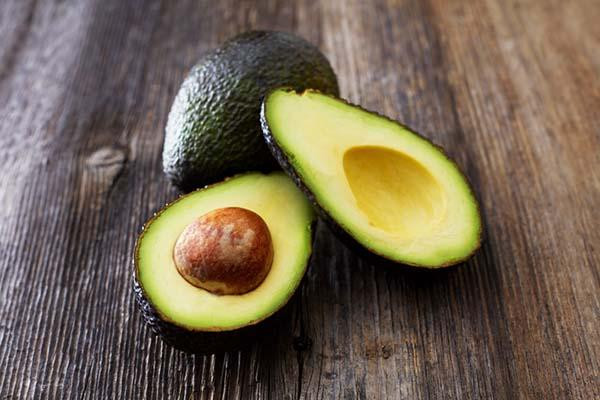
Avocados are grown in both Ratanakiri and Mondulkiri provinces and are favored among Cambodians for their quality. The health benefits are widely known and mostly it is consumed in avocado shakes, which is sweetened with condensed milk.
Mondulkiri
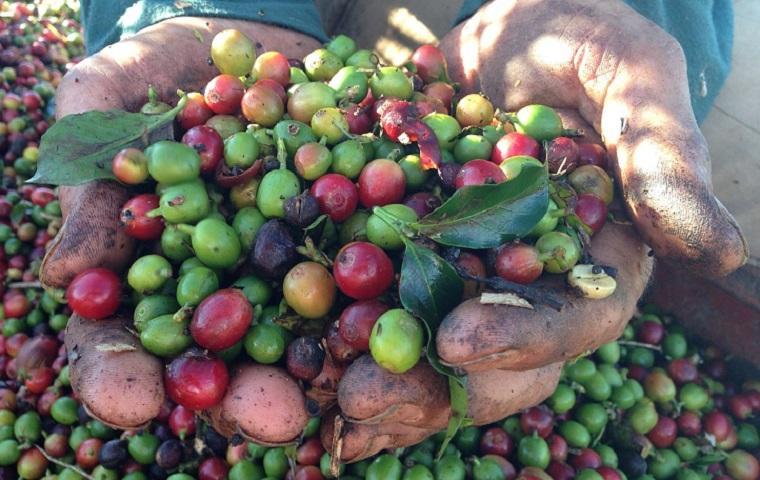
Most of Cambodia’s coffee is grown in the Mondulkiri region, where they produce sweet, rich-flavored coffee, the best in the country. The Mondulkiri Coffee Plantation is open to visitors where it’s possible to see the coffee growing and workers separating and preparing the coffee beans for roasting. A scenic floating cafe sits on top of a lake, and coffee is prepared on site for drinking.
Stung Treng
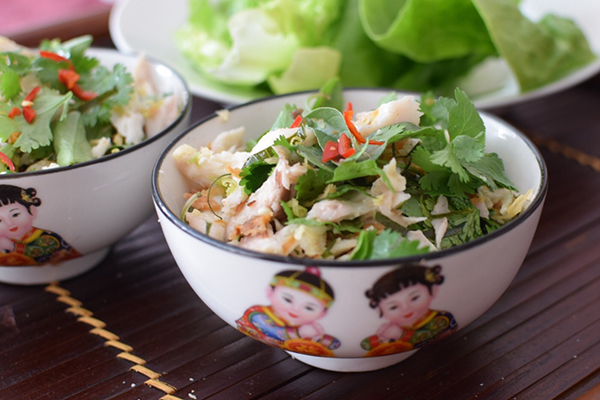
Known for a fresh and simple salad with a combination of fresh fish fillets cut into bite-sized pieces and seasoned with chili, lemongrass and garlic. Then a lot of lime juice is added which denatures the fish, a bit like lightly cooking it. In the countryside it’s safe to anticipate the extra flavor enhancers like MSG and fish sauce are also used. After combining the spices, herbs and fish, bean sprouts and green leaves are mixed through thoroughly. Finally, the dish is garnished with peanuts.
Kampong Cham
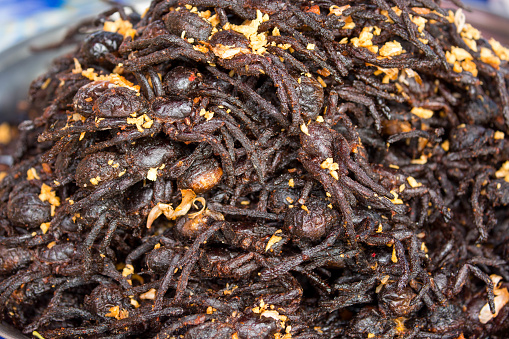
Kampong Cham is infamous for fried tarantulas, called a-ping in Khmer. While this snack is available in many provinces of Cambodia, it’s most popular in the town of Skuon in Kampong Cham. The spiders are bred specifically to be eaten and are fried in oil until crispy, often with a hefty amount of garlic and generally sugar, salt and MSG.
Kampong Chhnang
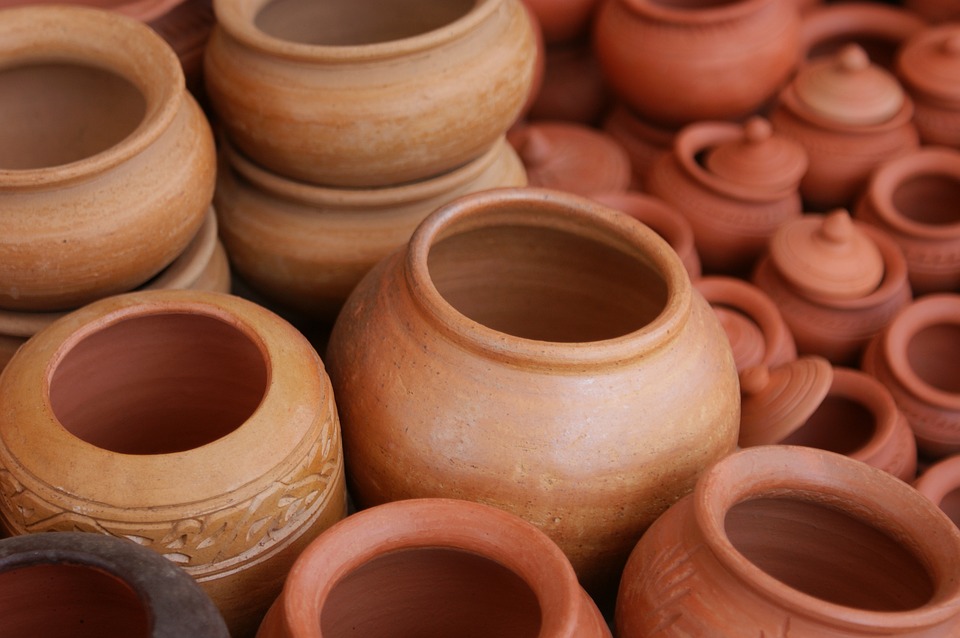
Revered for their high quality due to the clay in the area, pots of Kampong Chhnang have been made in the same fashion for centuries. Made by hand, the technique is passed down through the generations. Used for cooking, they are unfortunately being replaced in many kitchens by aluminium pots, which changes the flavour of the cooked food and risks contamination from the metal.
Kampong Thom
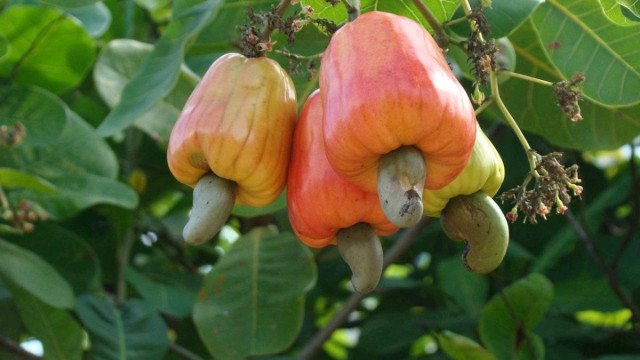
Kampong Thom is one of the largest producers of cashew nuts in the region. As well as the highly popular nuts, the cashew fruit — or cashew apple — can be eaten, made into jam or fermented as alcohol. Despite the high levels of production in Kampong Thom, cashews don’t appear in a lot of traditional Khmer cooking.
Kraties
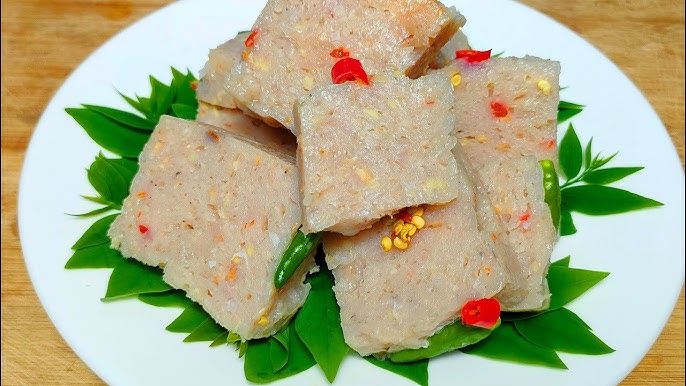
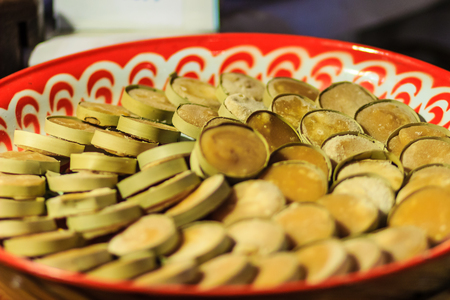
Neam Sach Drrey are small cubic parcels of fish with neem leaf inside. The raw spiced fish is wrapped first in neem and second in banana leaf and makes a great snack or can be accompanied with rice for a more substantial meal.
Kandal
Kandal, like Kampong Speu, is also known primarily for its production of palm sugar.

Prey Veng
Prey Veng is a producer of ceramic water purifiers. The social enterprise working on this project, Hydrologic, makes water filters from clay and rice husks and coats the filter in silver nitrate to assist with the antibacterial properties of the filter. They’re affordable and filter 99% of all bacteria from water, they’re also easy to maintain. Fresh drinking water is so important and not easy to find in Cambodia. These filters provide families and businesses with clean, filtered water.
Phnom Penh
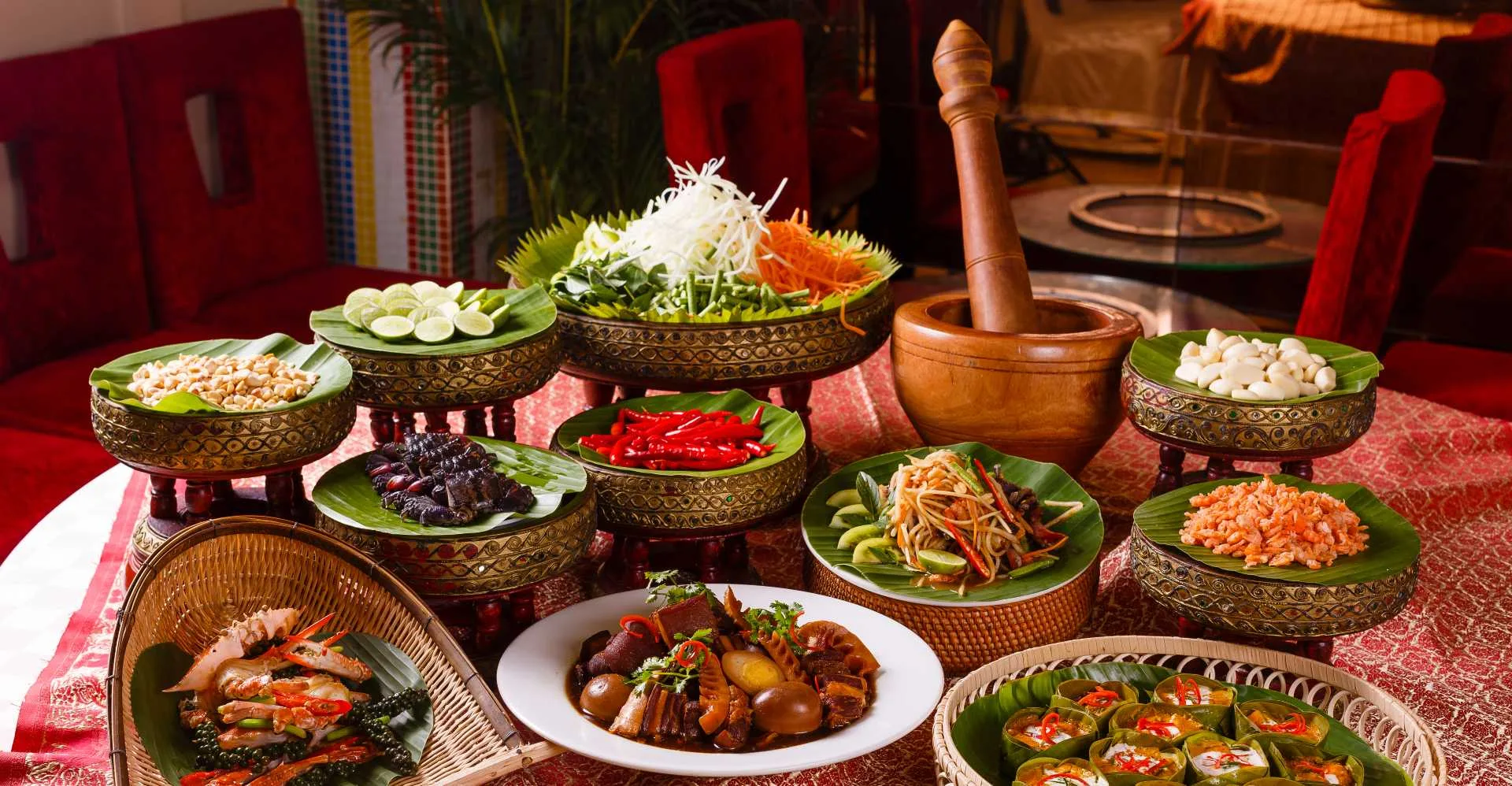
Royal Cuisine has changed over the years due to international influences and availability of seasonal produce. It, however, features some significant dishes that are prepared on important days relating to Kings, Gods and other significant events like weddings.
Takeo
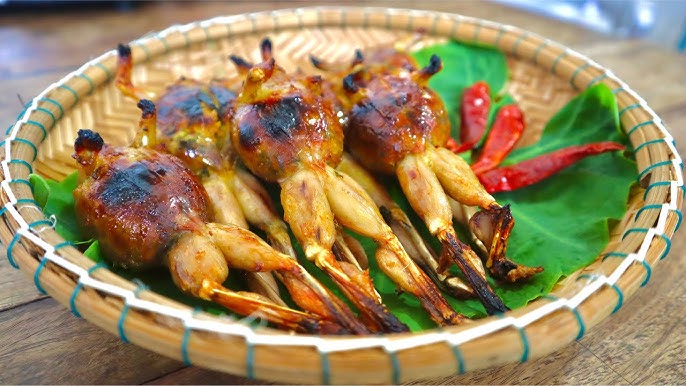
Kangkeab baok or stuffed frogs are the specialty of Takeo. You will see them grilling on street stalls skewered with two or three frogs per stick. The frog is often stuffed with any combination of ingredients such as minced pork, Khmer Kroeung paste, sugar, fish sauce, salt and glass noodles.
Kep
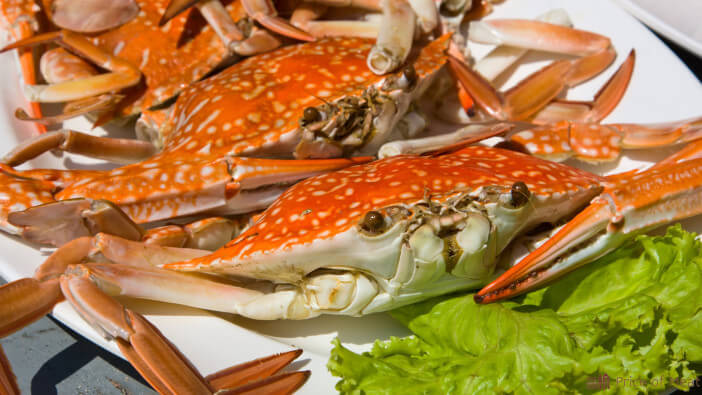
Pronounced Kaeb by locals, this is the place for fresh crab. The crab market has picnic places and hammocks laid out so you can order the quantity you want, have it cooked fresh and enjoy, while looking out over the ocean. Usually prepared with Kampot Pepper from the neighbouring province, either the fresh green peppercorns or as a pepper lime dipping sauce.
Svay Rieng
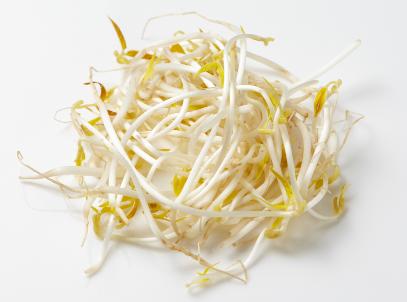
Tvaok sondæk bomboh, or pickled bean sprouts with fried pork, is the dish that you will want to eat if you are in Svay Rieng province. Ask any Cambodian what food they think of when you talk about Svay Rieng and this will be the one!
Sihanoukville
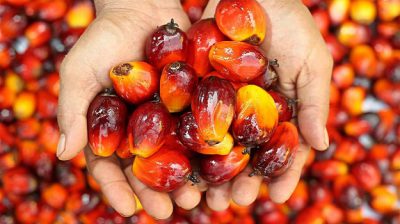
Sihanoukville mainly exports palm oil, which is unprocessed. It is then used to produce many of the junk foods and snack foods that are then imported to Cambodia in the form of biscuits, cup noodles, and similar processed and packaged foods that offer very little in the way of nutrition.
Kampot Kampot
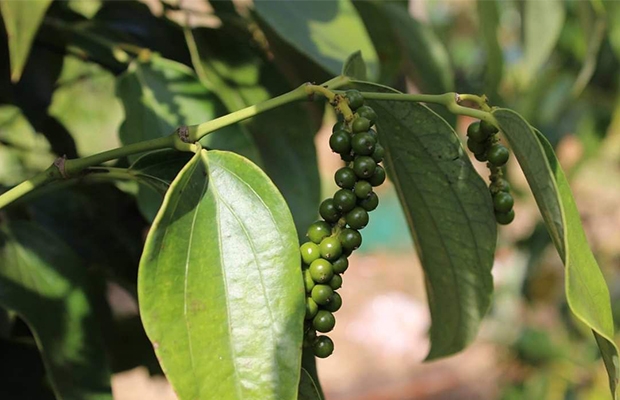
Pepper has GI status and is becoming more and more famous around the world. A feature in many Khmer dishes, from whole sprigs of fresh green pepper to dried and ground pepper mixed with lime juice and other spices, this is a favorite spice in Cambodia. Red and white pepper varieties are more rare due to more difficulty in their cultivation and harvest and, therefore, are also more popular due to their unique flavors.