Whether you’re a home chef or a professional, plastic is everywhere you look. Why does it matter?
The era of plastic-free and zero waste bloggers is here. More and more people are saying no to the excessive amounts of single-use plastic in shops, markets and restaurants. In Siem Reap, the first zero waste restaurant is said to open in late 2018.
In Cambodia, the trend is as prevalent and important as anywhere else in the world with sensational initiatives like Refill Not Landfill encouraging businesses and the community to break free from bottled water.
Clean up activities have often been the early steps for the youth of Cambodia to begin considering the impact of plastic on the environment. Many groups across the country make regular events to engage the community and clean things up a bit.
Locally initiated social operation, Plastic Free Cambodia (PFC), aims to educate and motivate people to change their habits for their own health benefit, as well as protecting the environment.
Thanks to PFC, we have some tips you can use to reduce plastic. Chances are that, in the long term, you may even save money!
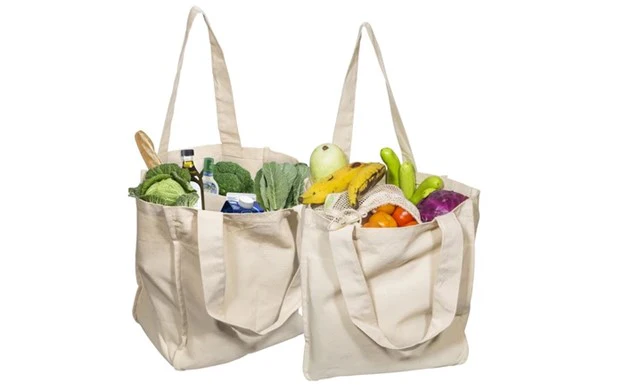
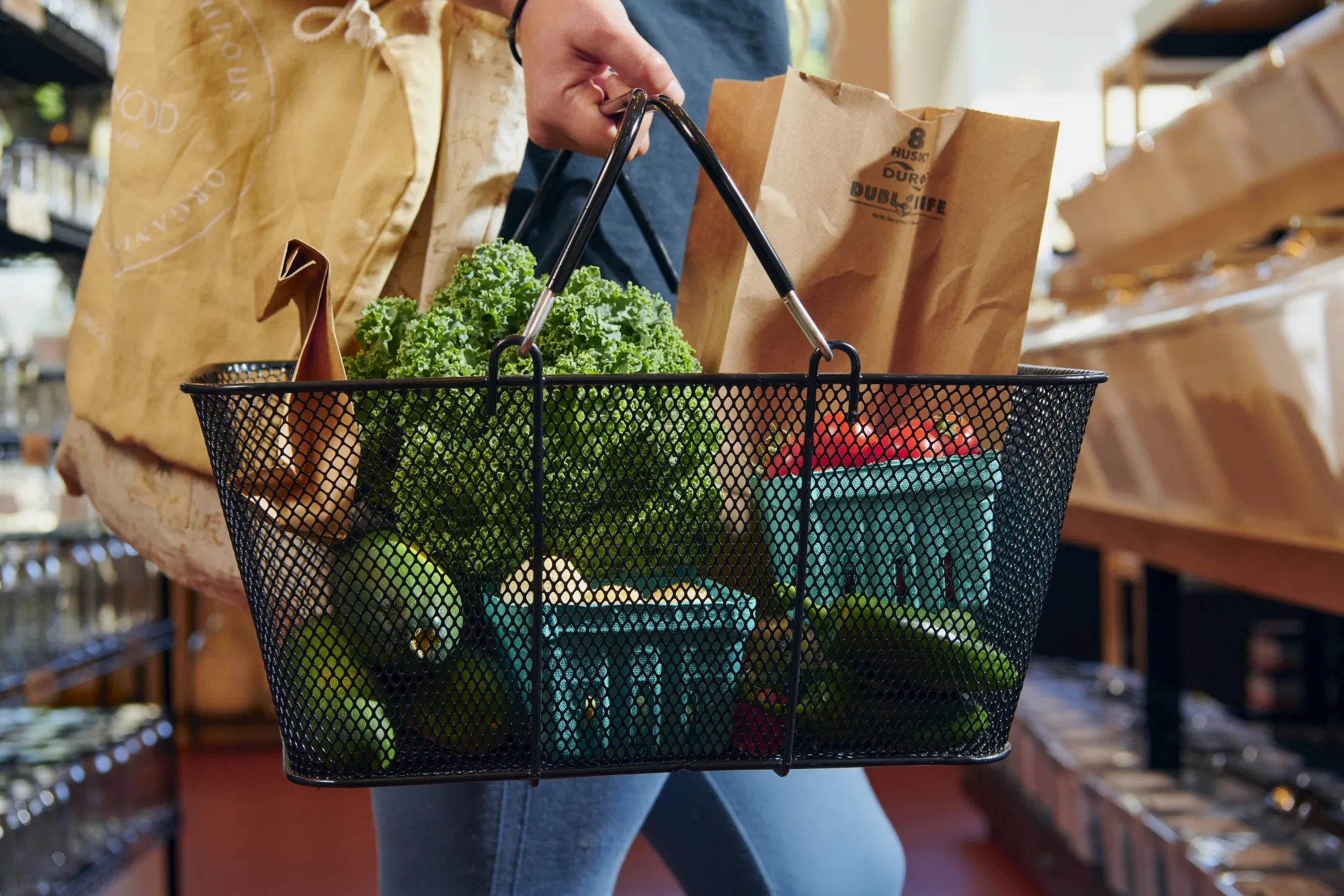
Tip 1: Say no to plastic bags! Take a cloth bag or a basket with you to the market or supermarket to carry your goods in.
These are becoming available in many places and even small produce bags for fruit and vegetables are now being stocked and confidently appreciated. It deserves to be your hotel or restaurant, ask the seller to bring it with no plastic bags — more and more places are able to offer this.
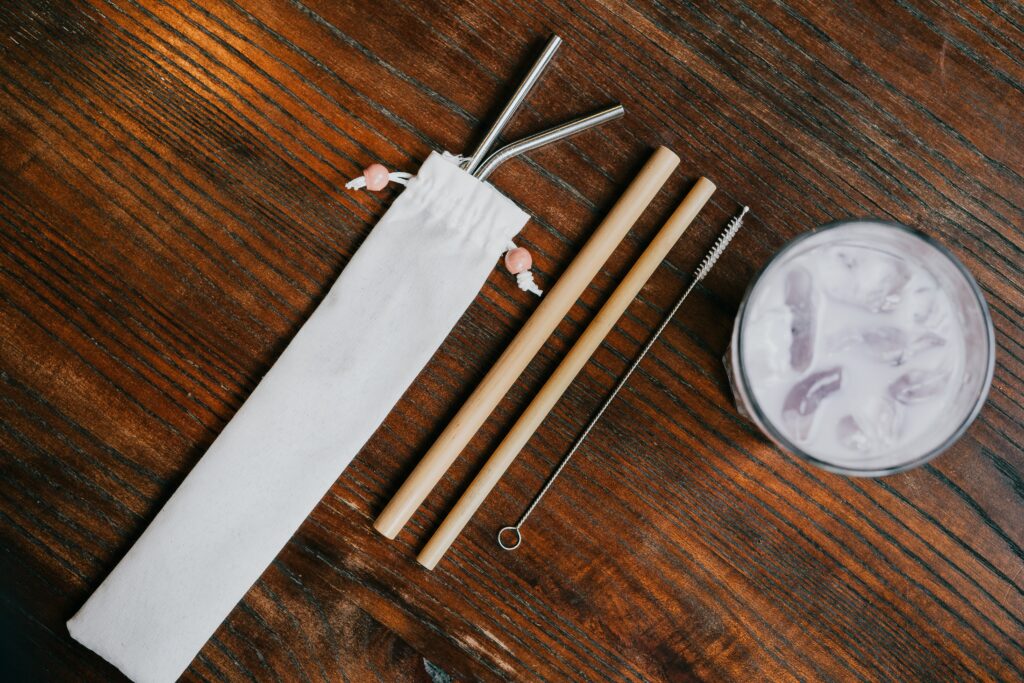
Tip 2: Plastic straws suck! In a bad way.
There are lots of alternatives available for reusable (metal, glass, bamboo, rice, even recycled paper) or biodegradable straws — made from corn starch and paper at reasonable prices throughout Cambodia.
Tip 3: Refill not Landfill!
It’s estimated that around 4 million plastic bottles are discarded every month in Siem Reap alone.
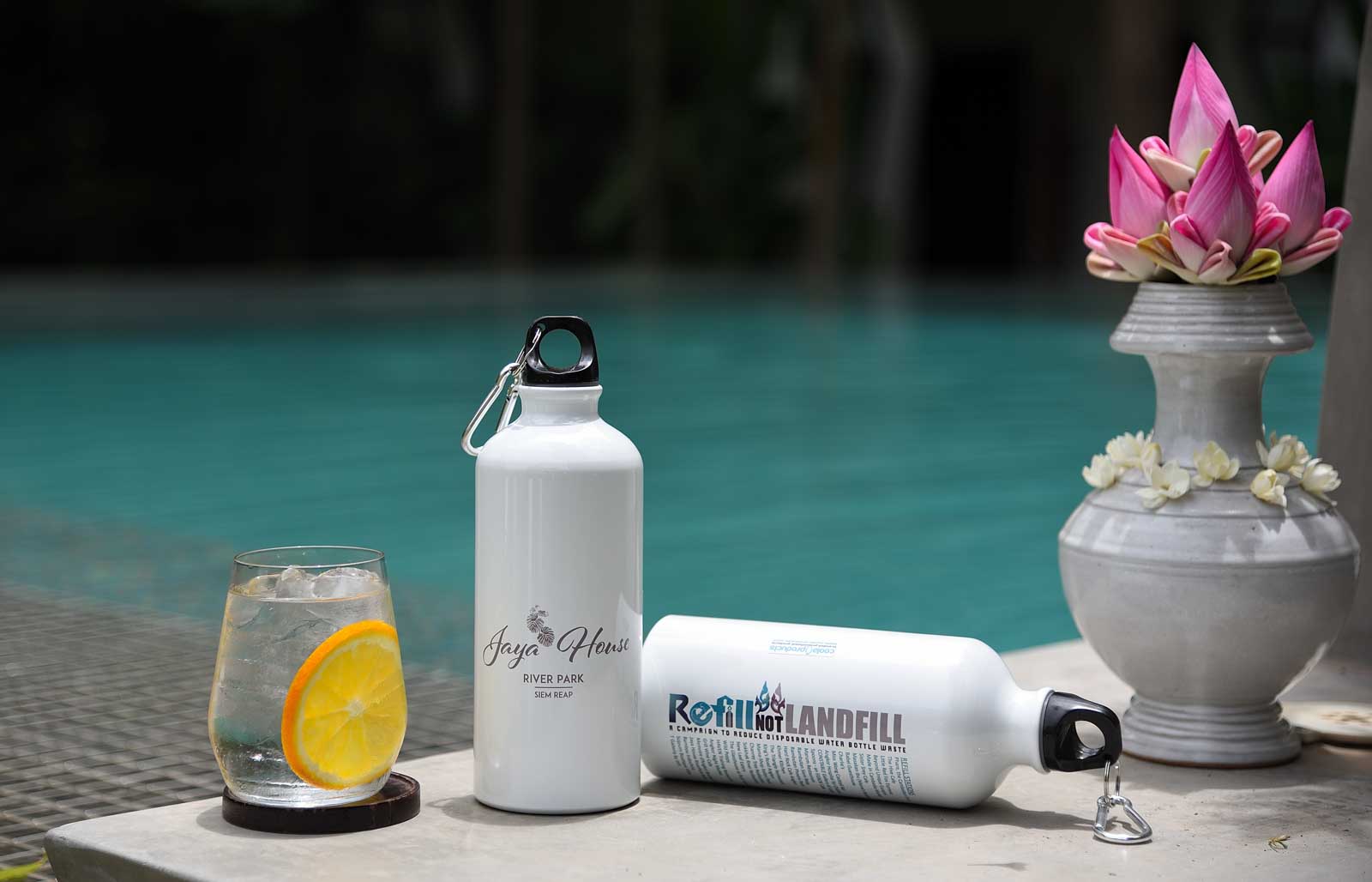
While some are recycled, many end up in a landfill. With accessible drinking water available, why not get a water filter? The prices start from only $20 and they’re made in Prey Veng, Cambodia. Large 20L blue bottles of water are also offered all over towns and provinces daily. They’ve exchanged and refilled which really reduces the amount of plastic. Grab a glass or reusable bottle and drink up!
Many local businesses like Jay House near Park are supporting Refill Not Landfill with personalized water bottles.
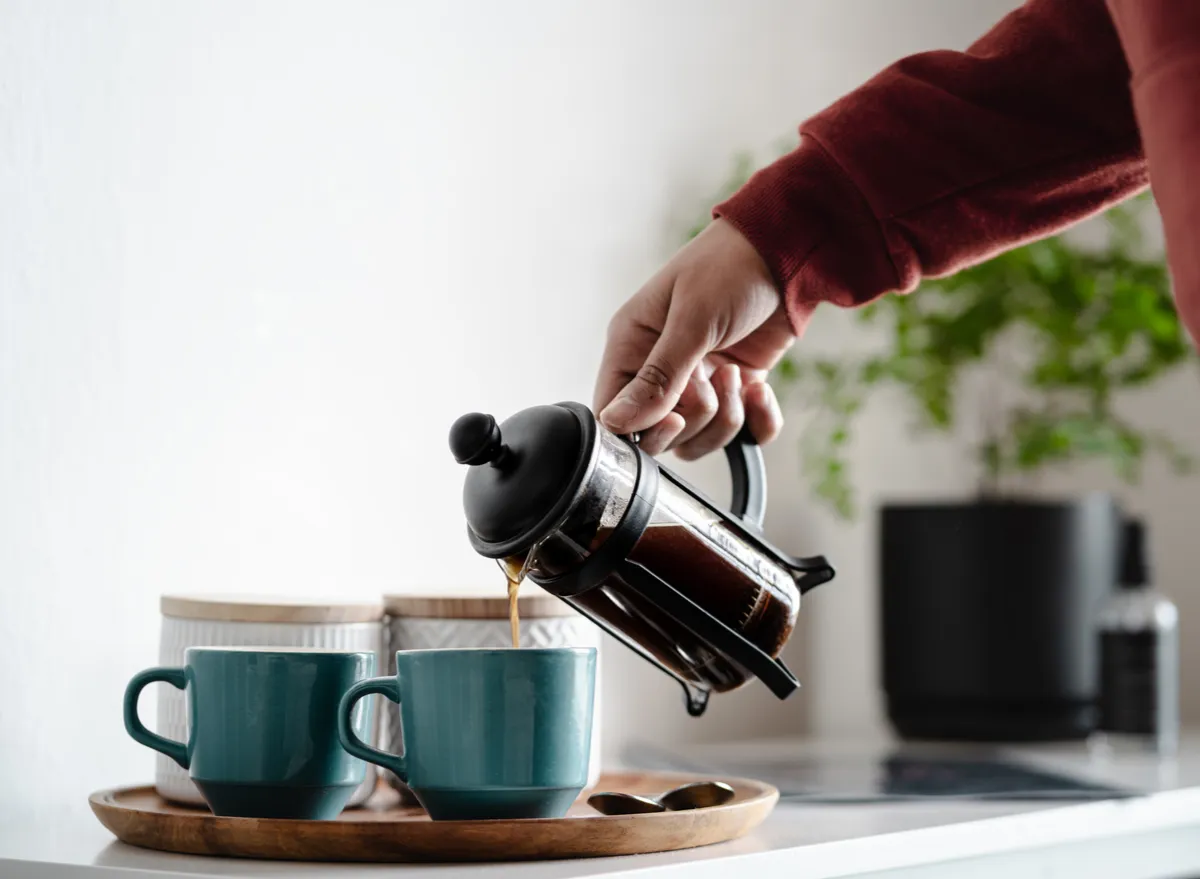
Tip 4: Coffee is a habit, don’t make plastic your habit too!
The coffee craze is sweeping the country. While already a popular drink in more recent times, European-style coffee has entered the market and is becoming a daily habit for all. Are you a barista? Can you offer your customers a discount when they bring their own cup? Or check if your customer is not going far? Do they need a lid and a bag and a straw? Or is the cup enough by itself? And if you do give takeaway, it melts into a plastic cup. This melts the plastic and it gets drunk along with the coffee.
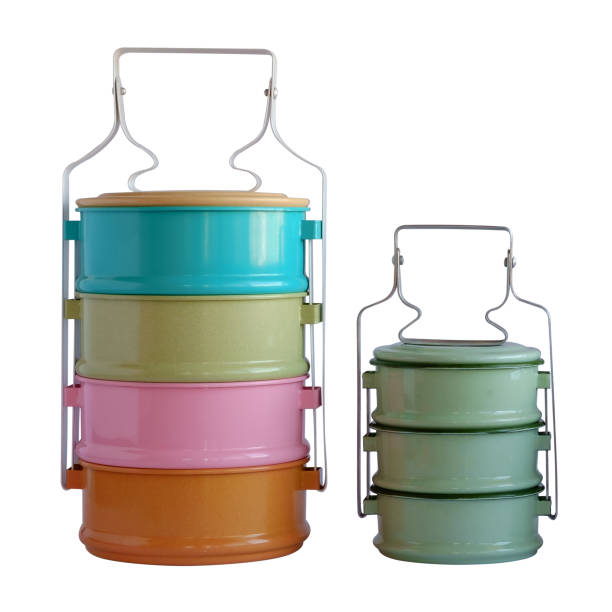
Tip 5: Dine in or chhan srak it away!
Dine in or chhan srak (taway) Styrofoam is one of the most toxic materials we could consider eating food out of, burning it is even worse and putting it in landfill is a disaster waiting to happen.
You can encourage people to dine in or bring their chhan srak tiffin box for take away. Take away is a necessity for some customers, give them a more biodegradable take away boxes made from sugar cane fibres — healthier for your customers and don’t contain any chemicals (they’re also good in compost).